


A Practical Guide from a Physiotherapist’s Perspective Matters
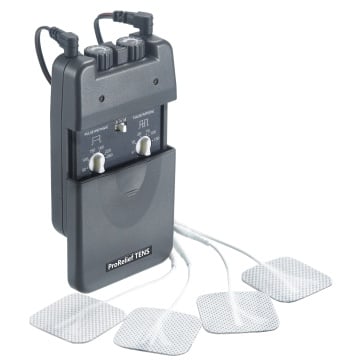
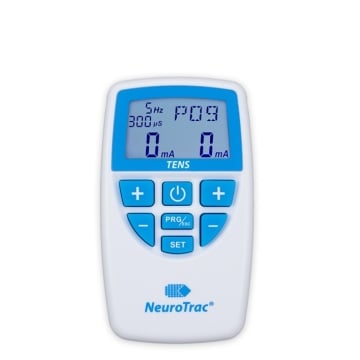
TENS (Transcutaneous Electrical Nerve Stimulation) units are small, portable devices that deliver mild electrical currents through the skin using adhesive electrodes. They’re widely used for short-term pain relief in musculoskeletal problems, postoperative pain, and some chronic pain conditions. Below is explained how TENS works, when it may help, how to use it safely and effectively, and what the evidence says — written in the voice of a physiotherapist. This is general information and not a substitute for personalised medical advice.
What is a TENS unit and how does it work?
TENS devices generate electrical pulses that travel from electrode pads placed on the skin to stimulate underlying nerves. There are two commonly described mechanisms:
- Gate control theory- stimulation of large-diameter sensory fibers can inhibit transmission of pain signals in the spinal cord (“closing the gate”), producing immediate reductions in perceived pain.
- Endogenous opioid release- certain TENS modes (usually lower-frequency, higher-intensity settings) may trigger the release of natural pain-relieving chemicals (endorphins).
TENS does not “cure” the underlying cause of pain; it is usually used as a symptomatic pain-relief tool, often alongside exercise, manual therapy, or other interventions.
Common modes and settings
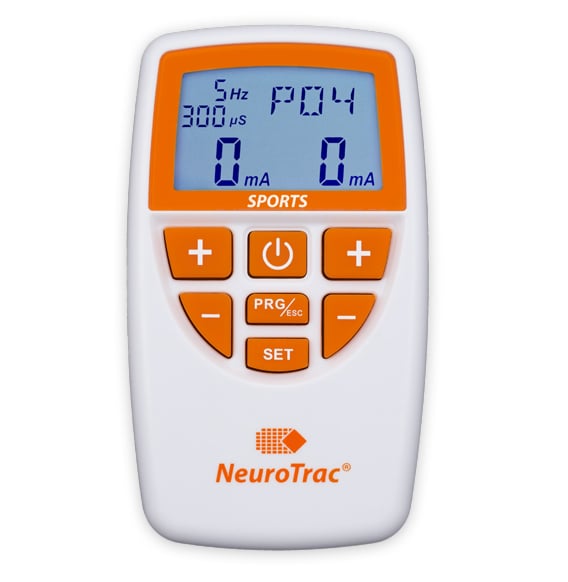
Most modern TENS units offer multiple modes. Typical parameter ranges (for general understanding) include:
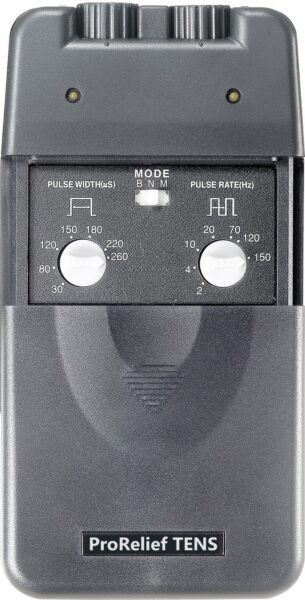
- High-frequency (conventional) TENS- ~50–120 Hz, short pulse width (e.g., 50-100 µs). Produces a buzzing/tingling sensation and is often used for immediate, comfortable pain relief.
- Low-frequency (acupuncture-like) TENS: ~1–10 Hz, longer pulse width (e.g., 150–250 µs). Can produce muscle twitches and is thought to activate endogenous opioids and the effects may last longer after treatment.
- Burst mode: packets of high-frequency pulses delivered at a lower burst frequency; attempts to combine benefits of both.
Intensity (amplitude) is increased to a comfortable, non-painful level — enough to feel the stimulation clearly but not to cause sharp pain.
When TENS might help
TENS can be useful in the following situations:
- Acute musculoskeletal pain (sprains, strains) — for short-term pain relief to enable activity and rehabilitation.
- Postoperative pain — as part of a multimodal pain management strategy.
- Some chronic pain syndromes (e.g., osteoarthritis, neuropathic pain) but responses vary but many people report meaningful relief.
- During painful procedures or therapy sessions to improve tolerance.
Effectiveness varies by condition, device, placement, and individual response. TENS often provides short-term symptomatic relief rather than long-term cure.
What does the evidence say?
There is a large body of research that looks at whether TENS reduces pain. A comprehensive meta-analysis that pooled data from hundreds of trials found that TENS reduced pain intensity during or immediately after treatment compared with placebo, and that adverse events were generally mild BMJ Open meta analysis.
Systematic reviews collected by Cochrane provide condition specific summaries and are useful for clinicians who want detailed trial quality information Cochrane reviews on TENS.
For safety advice see the NHS information page on TENS which covers common questions and practical precautions NHS TENS information.
These resources show that TENS often gives short term symptomatic relief but evidence for long term benefits is inconsistent. Trial quality, device parameters, electrode placement, and individual pain mechanisms all influence outcomes. That means clinical use requires some trial and error under guidance in particular;
- Proper electrode placement and parameters
- Duration and frequency of treatment sessions
- Individual differences in pain mechanisms and responsiveness
Overall, TENS is considered low-risk and worth trying for many people with persistent pain, especially when used alongside active rehabilitation. However, it should not replace treatments targeted at the underlying cause.
How to use a TENS unit safely (practical steps)
- Read the device manual and follow manufacturer instructions.
- Clean skin where pads will be applied (remove oils, creams). Replace pads when adhesive degrades.
- Place electrodes around or near the painful area -often either side of the pain or along the nerve/dermatome and never directly over broken skin.
- Start with low intensity and slowly increase until you feel a strong but comfortable tingling.
- Session duration commonly ranges 20–60 minutes depending on the goal and tolerance. Some users do several sessions per day, but continuous all-day use is not recommended.
- Turn the unit off before removing electrodes.
Contraindications and precautions
Do NOT use TENS in the following situations unless under direct medical supervision:
- Over the chest or heart area if you have a pacemaker, implanted defibrillator, or other implanted electronic device (risk of device interference).
- Over the carotid sinus (neck) or across the front of the neck as this can cause circulatory or reflex responses.
- Through the head (including the eyes) or over the mouth.
- Over broken, infected, or irritated skin.
- In pregnancy over the abdomen or low back (first trimester especially). Please discuss with a clinician instead.
- In people with epilepsy, unless advised by a specialist (risk of provoking seizure is debated).
- Never use while driving, operating heavy machinery, or bathing.
If you have cardiovascular disease, diabetes with neuropathy, or other systemic conditions, check with your healthcare professional before use.
Troubleshooting and tips
- No sensation-check batteries, leads, and electrode contact. Increase intensity slowly, replace old pads.
- Skin irritation- move pads slightly, replace pads more frequently, use a different electrode brand, or place a thin barrier (follow device guidance).
- Electrode placement- start with pads placed above and below the painful area or on either side of the pain. For radicular (nerve) pain, placing pads along the nerve pathway or spinal segments can help.
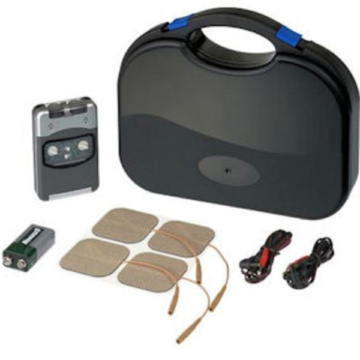
- Carry a small travel case and spare pads- keep the device and pads clean and dry.
- Rechargeable vs disposable batteries- rechargeable models are environmentally friendlier; consider pad replacement cost when choosing a unit.
Choosing a TENS unit
- Ease of use and clear controls
- Pulse modes and adjustable frequency/pulse width
- Number of channels (single vs dual channel for treating two areas simultaneously)
- Battery life and pad cost/availability
- Safety certifications and user reviews
Ask a healthcare professional for a recommendation tailored to your condition.
Integrating TENS into a rehab plan
TENS is most effective when combined with active treatments.
- Use TENS to reduce pain enough to perform strengthening and mobility exercises.
- Use it as a short-term adjunct during flare-ups or after procedures.
- Track which settings, placements, and session timing work best for you to communicate with your clinician.
When to seek professional advice
See a physiotherapist, GP, or pain specialist if
- Pain is severe, worsening, or unexplained
- You suspect nerve or systemic involvement (numbness, progressive weakness, red flags)
- You’re unsure about safe use because of medical history or implants
- TENS does not help after several trials, or causes adverse effects
TENS units are a low-risk, non-invasive option for short-term pain relief that many people find helpful as part of a wider rehabilitation approach. Their effectiveness varies, so expect trial and error with settings and placement. Always follow safety guidelines, and consult your clinician if you have medical conditions, implanted devices, or if pain persists.
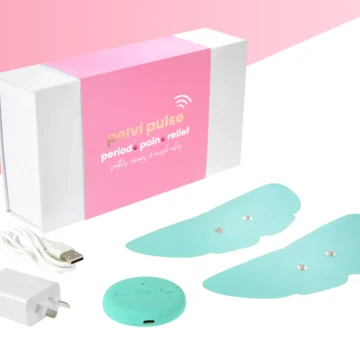
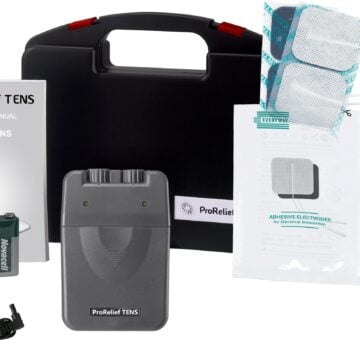
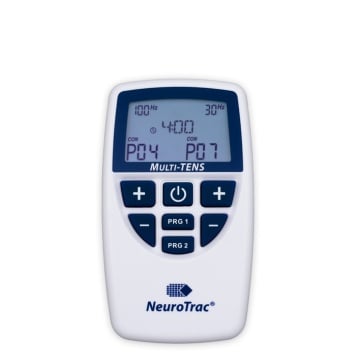
At APE we have a huge range of TENS units to suit all requirements and budgets. You can shop our range here.
-


-

-
 Select Options This product has multiple variants. The options may be chosen on the product page
 -
-
-