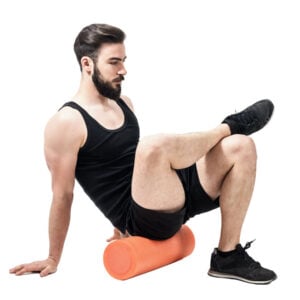


Six targeted moves to release tension, improve blood flow, and keep your muscles performing at their best.
● 6 Exercises
● 20–30 sec each
● Before or after training
- Muscle Activation: Activates muscles to improve your performance before training. Perform quickly and with some energy to stimulate muscles
- Flexibility: Improves joint mobility, especially around your hips and knees.
- Recovery: Increases blood flow to help muscles recover after hard sessions. Perform slowly and with control.
- Rehabilitation: Eases tension after injury and restores range of motion.
- Desk Workers: Relieves tight glutes, hips and hamstrings from sitting all day.
- Saves Money: Regular use reduces the need for costly therapy sessions.
Before You Get Started
Use a foam roller for around 20–30 seconds per area, moving slowly and keeping your muscles relaxed. When you roll over a tender spot, pause and hold until the pressure reduces. Use a smooth EPE roller for sensitive areas like hips and hip flexors, and a ridged high-density roller for hamstrings and lats. Remember: discomfort is normal, sharp pain is not.
The Routine
1. Hamstrings
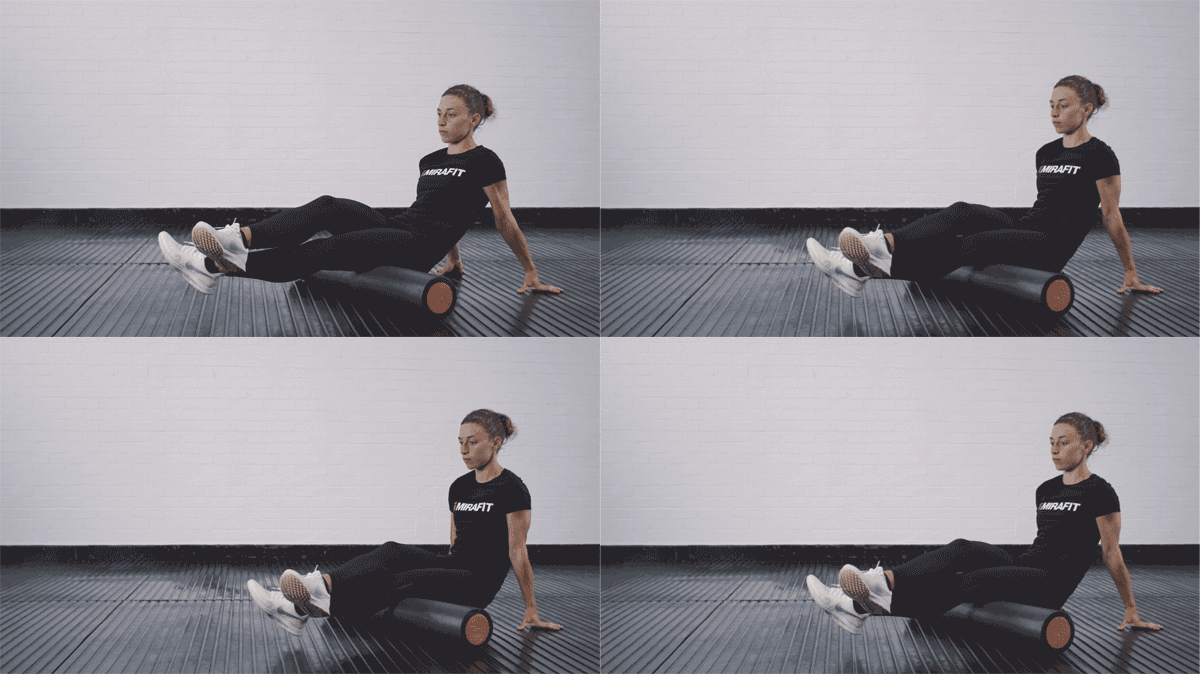
💡 Great for runners and anyone who sits for long periods. Try a ridged roller for deeper release.
Directions
- Lie with one leg across the foam roller.
- Use the other leg to support your body and move your relaxed leg across the roller.
- Pause on any tender spots until the pressure reduces.
- Repeat on the other side.
● 20–30 seconds each side
2. Glutes
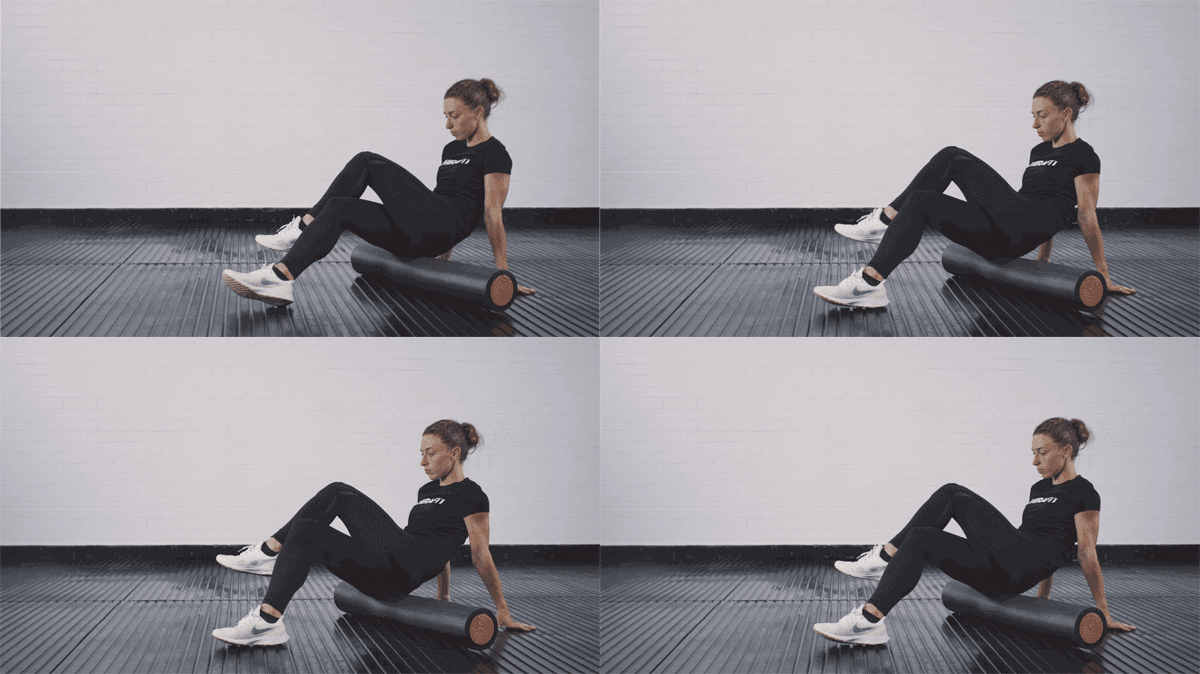
💡 Sitting all day tightens the glutes. Position at a slight angle to target the main muscle belly.
Directions
- Sit on the foam roller and bend one leg up and across the other so your glute is stretched out.
- Position yourself at a slight angle to target the main part of your glute.
- Use your supporting leg to move the roller across your glute and back.
- Repeat on the other side.
● 20–30 seconds each side
3. Hip Flexors
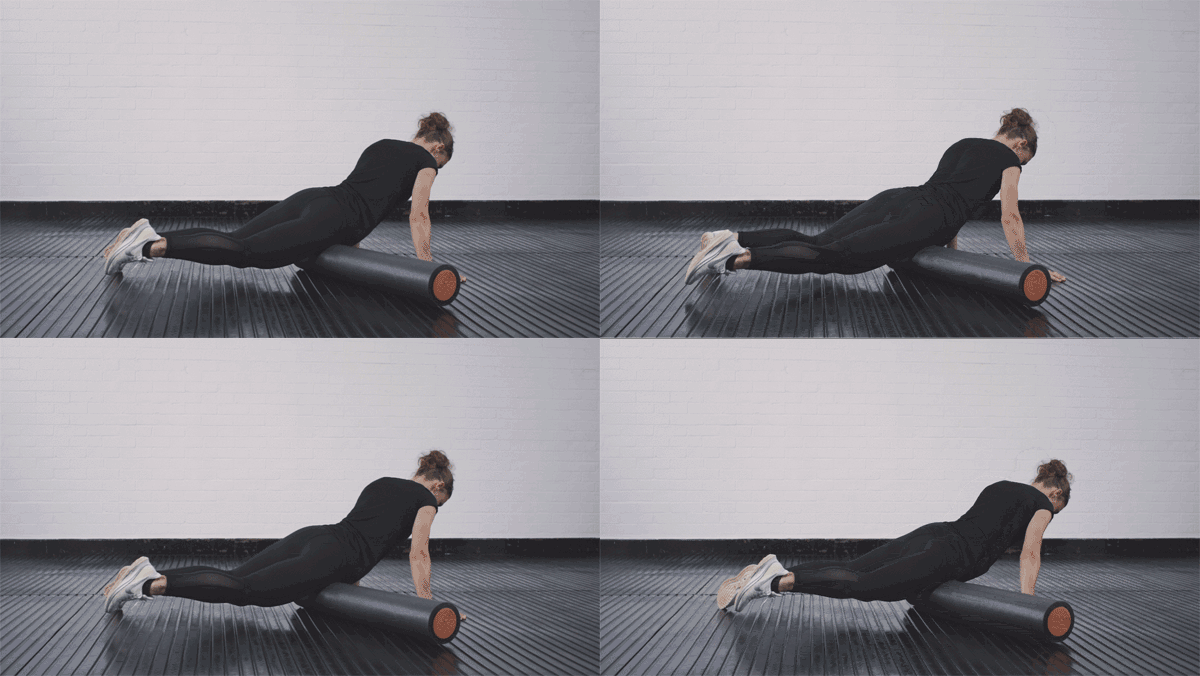
💡 Common tightness in runners and desk workers. Use a smooth EPE roller here for a softer, more comfortable release.
Directions
- Lie across the roller at a slight angle so you target one side at a time.
- Gently roll from side to side over the hip flexor area.
- Stay relaxed and breathe throughout.
- Repeat on the other side.
● 20–30 seconds each side
4. IT Band
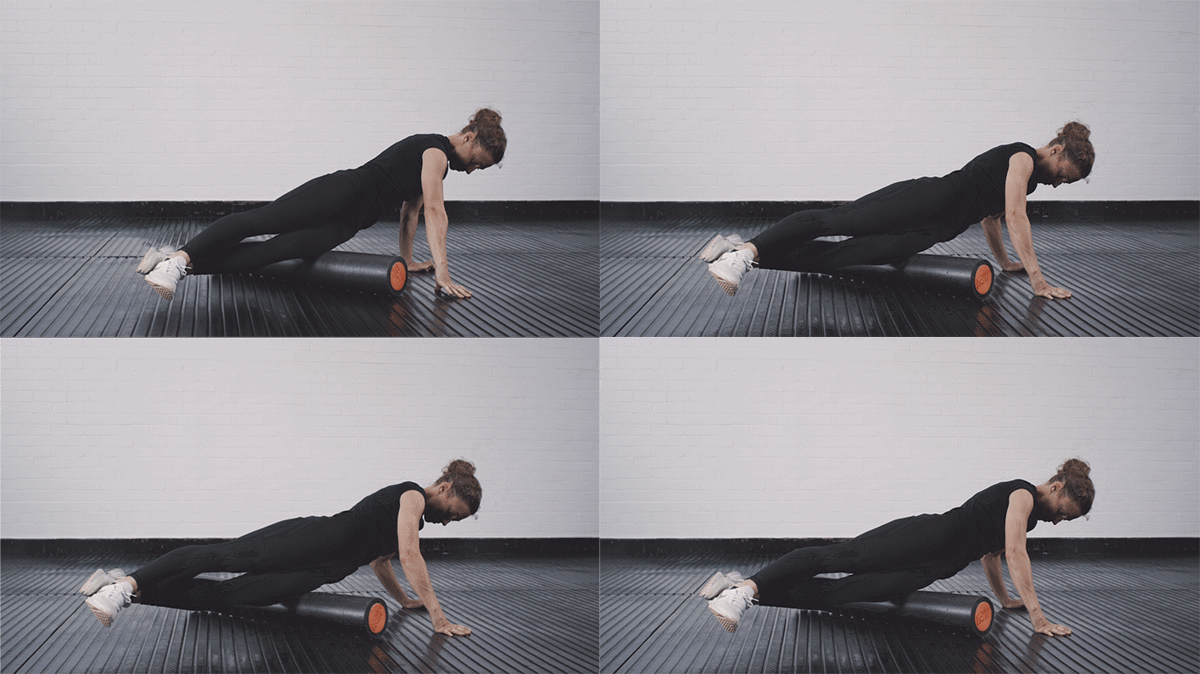
💡 A tight IT band is a common cause of knee pain in runners. Focus on the sides of your quads, not just the front.
Directions
- Lie across the roller with your supporting leg bent to help you move.
- Slowly roll up and down the outer side of your thigh to work the IT band.
- Concentrate on hitting the sides of your quads rather than just the front.
- Repeat on the other side.
● 20–30 seconds each side
5. Calves
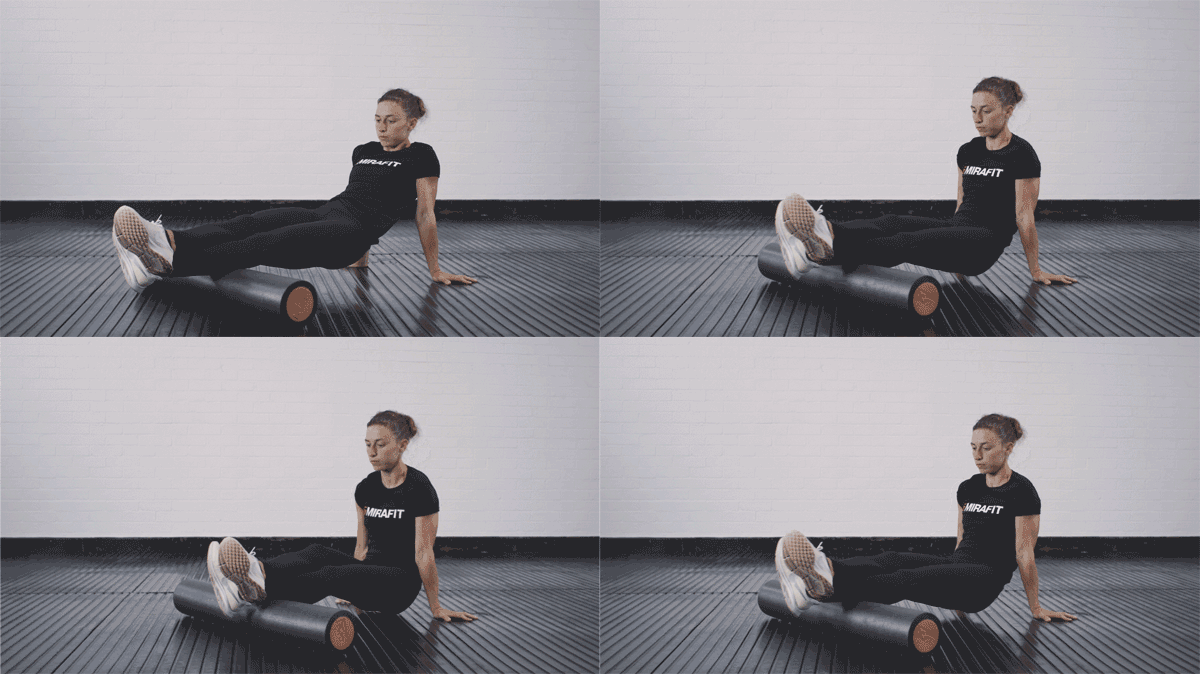
💡 Target all the way from under the knee to the ankle for full calf coverage.
Directions
- Support your weight with your hands and relax one leg across the foam roller.
- Push your leg across the roller to work the calf muscle.
- Make sure you target all the way down from under your knee to your ankle.
- Repeat on the other side.
● 20–30 seconds each side
6. Quads
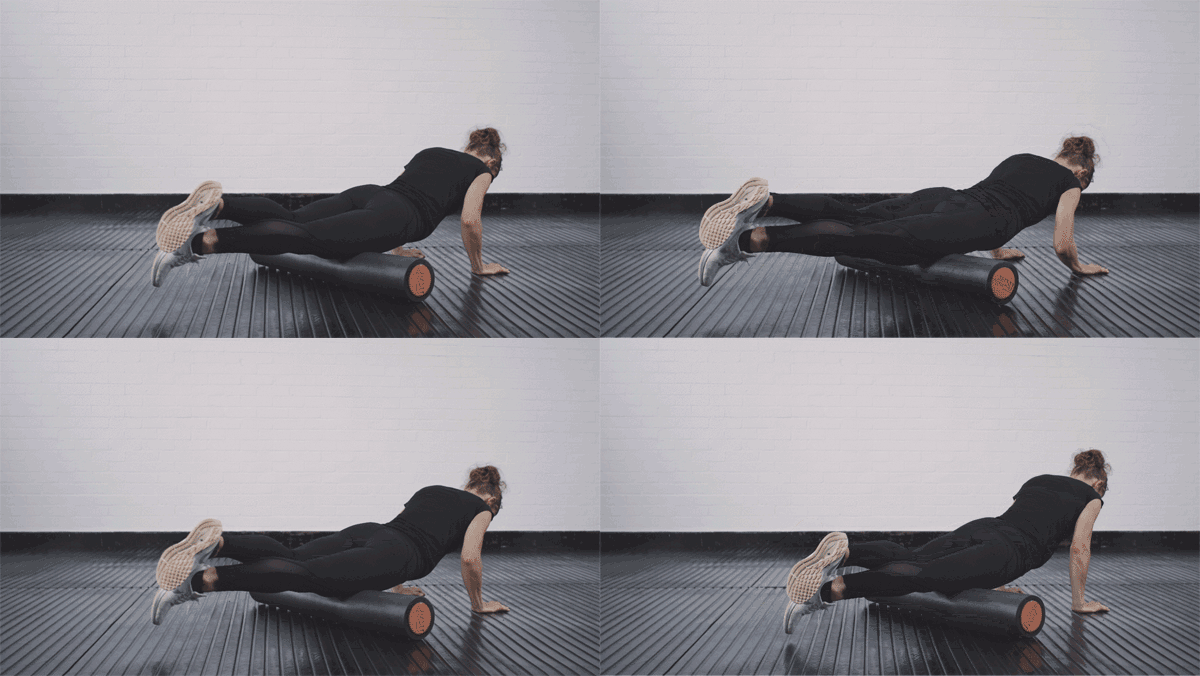
💡 Large muscle group — you may want to spend a little longer here than on smaller areas.
Directions
- Lie across the foam roller to target one leg at a time.
- Gently roll up your quad from your knee to your hips.
- Roll back down again slowly, pausing on any tight spots.
- Repeat on the other side.
● 20–30 seconds each side
APE Medical has a huge range of foam rollers to choose from. You can checkout the full range here, but these are our favourites;
Exercises and GIFs sourced from- Mirafit — “6 Best Foam Roller Exercises”. GIFs and exercise content remain the property of Mirafit. Reproduced for informational purposes with full credit to the original source.