
Features
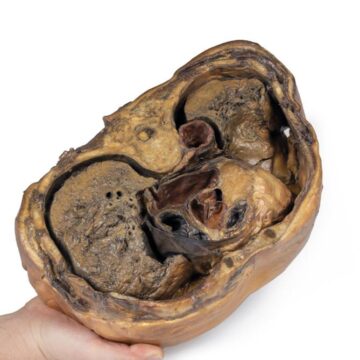
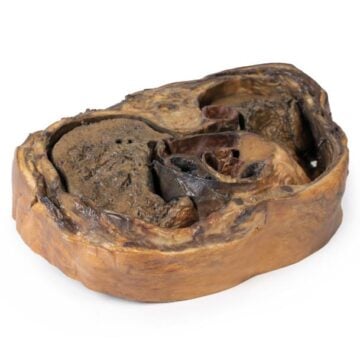
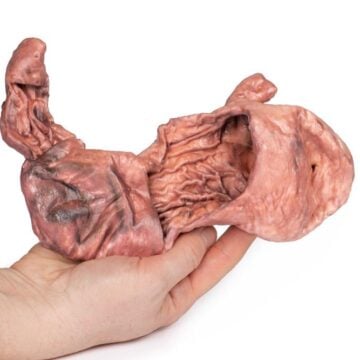
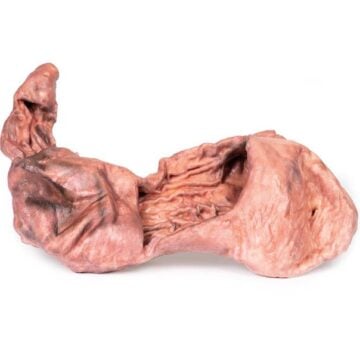
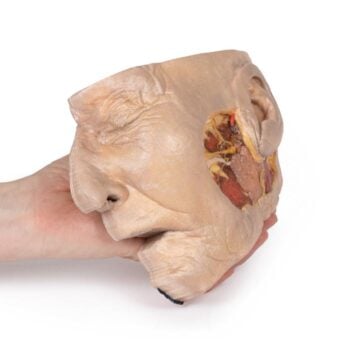
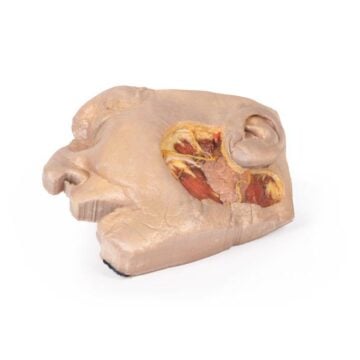
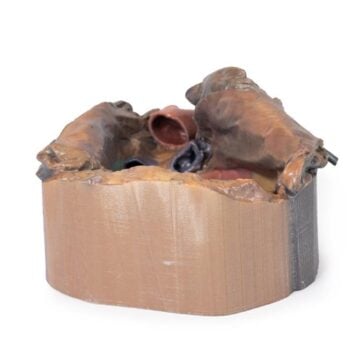
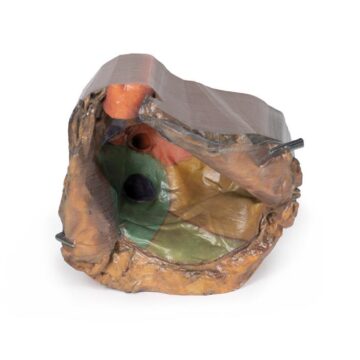
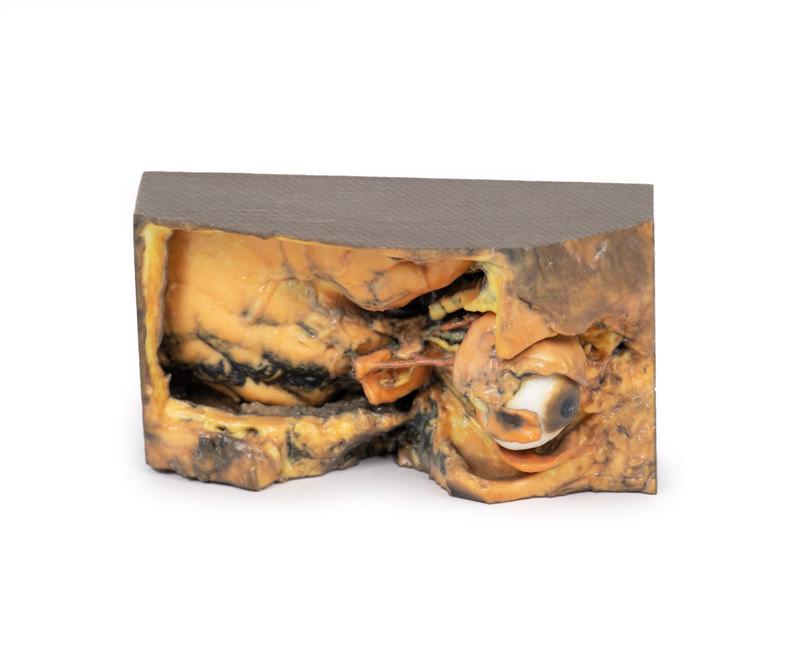
The Lateral Orbit is a 3D printed anatomical model designed for medical educators, students, and clinicians. It provides an unprecedented lateral perspective of the orbit with intricate detail that supports training and demonstration of orbital and cranial relationships. This model allows in-depth study of lateral orbital anatomy, making it an excellent teaching and learning resource for complex dissections.
Reveal Orbital Anatomy in Unmatched Detail with the Lateral Orbit
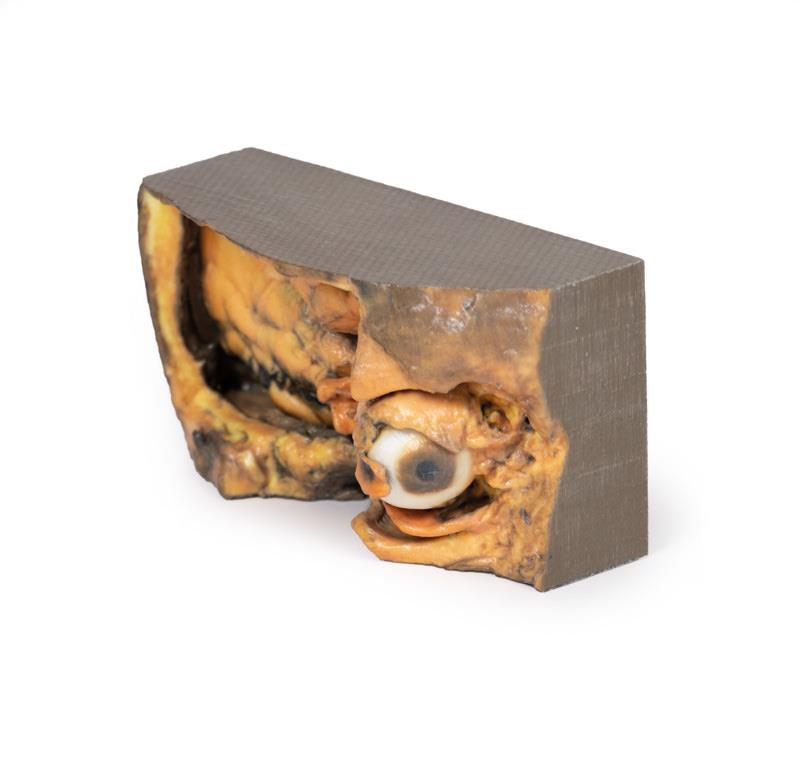
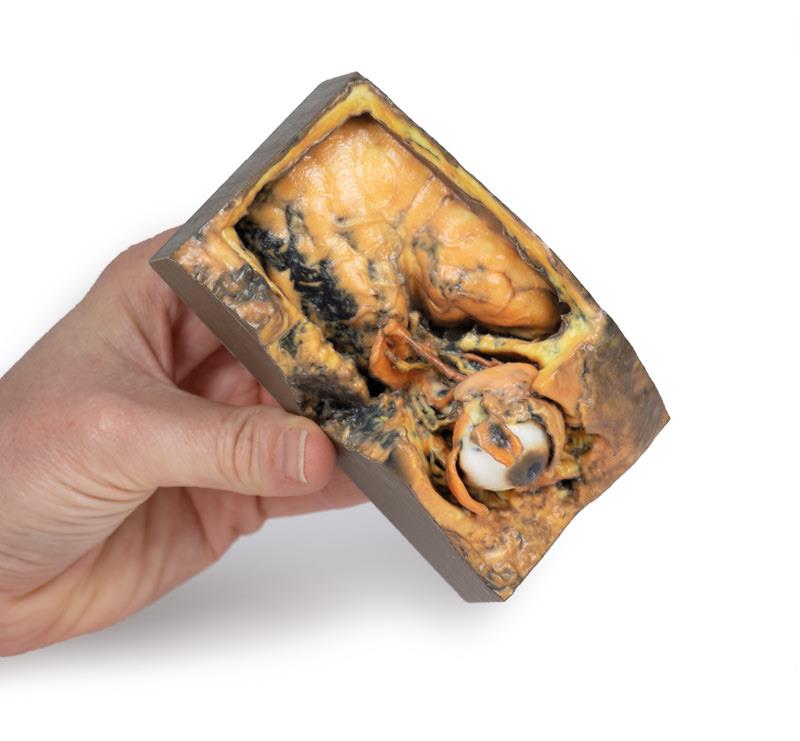
This advanced model features a realistic lateral view where the bony lateral wall and part of the calvaria have been removed. It exposes both the frontal and temporal lobes of the brain. The model demonstrates the lateral rectus muscle divided to open the intraconal space and shows the muscle near its insertion reflected to highlight the inferior oblique muscle. The origin of the muscle is also reflected so the abducens nerve entering the bulbar aspect is clearly visible. The Lateral Orbit represents clinical-grade build quality and stands out in education settings due to its authentic anatomical accuracy. Students and health professionals can rely on its precise features for advanced anatomical exploration.
Features and Benefits
- 3D printed using advanced technology for maximum anatomical fidelity
- Demonstrates the lateral perspective of the orbit with the bony lateral wall and calvaria removed
- Exposes frontal and temporal brain lobes for neurological reference
- Lateral rectus muscle divided to visualize the intraconal space
- Reflects muscle near insertion to show the inferior oblique muscle’s path
- Displays abducens nerve entering the lateral rectus muscle
- Clinical-grade, robust, and durable for repeated use in teaching
Indications for Use
- Ideal for teaching and demonstrations in anatomy courses
- Useful in clinical education and surgical planning
- Perfect for medical students, educators, and professionals who study orbital and cranial anatomy
Size Guide
- 1 -1 anatomical scale
- Exact size reflects adult human skull and orbital structures
- No further size variations available