

Features
The Fatty Liver is a 3D printed anatomical model designed for medical professionals, educators, and students. It accurately depicts hepatic steatosis, helping users recognize key visual changes seen in fatty liver disease. Choose this model for detailed, hands-on learning that clarifies complex clinical conditions.
Enhance Medical Education with a True-to-Life Fatty Liver Model
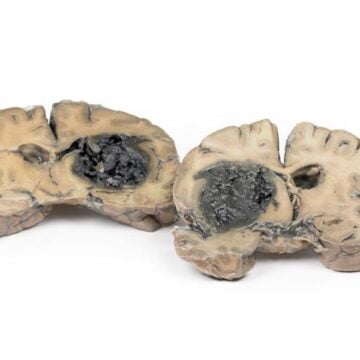
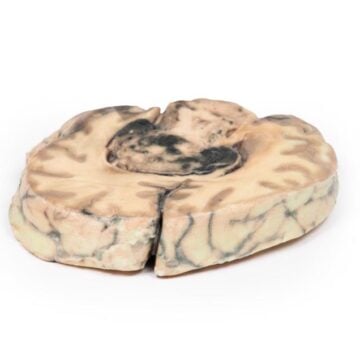
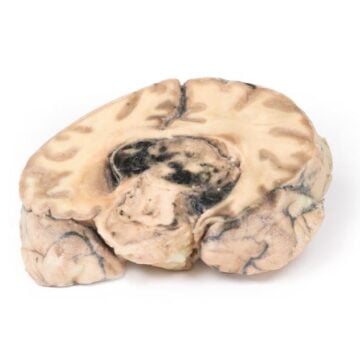
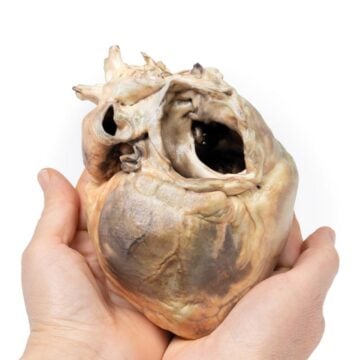
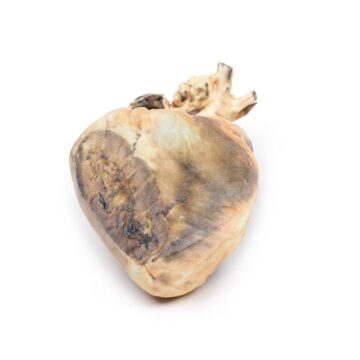
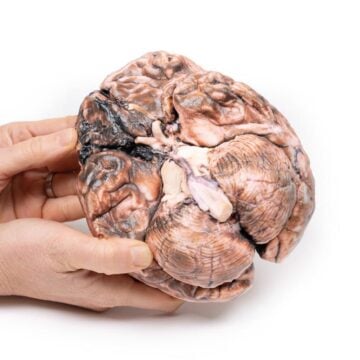
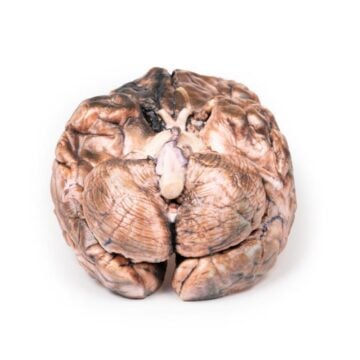
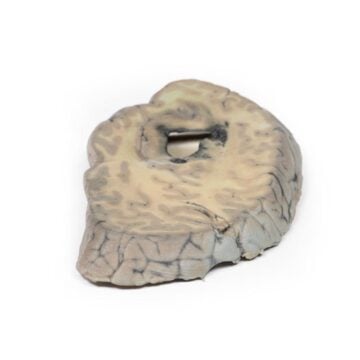
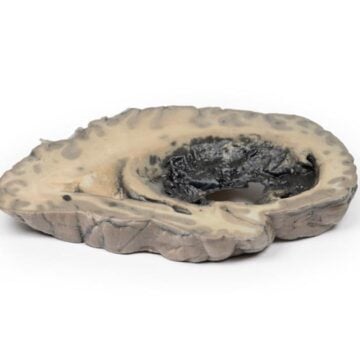
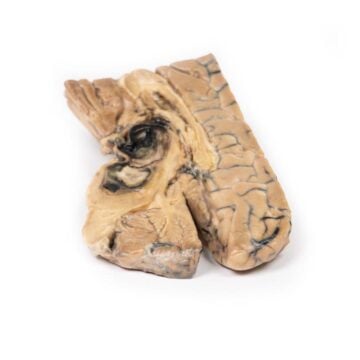
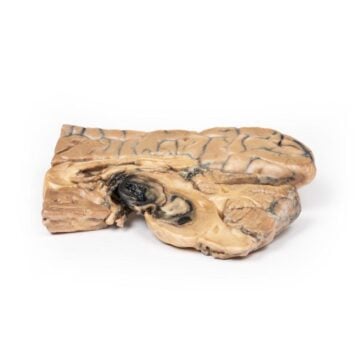
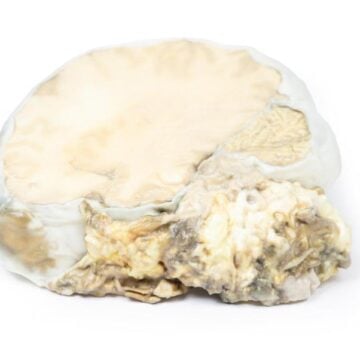
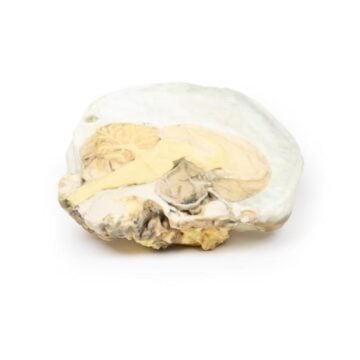
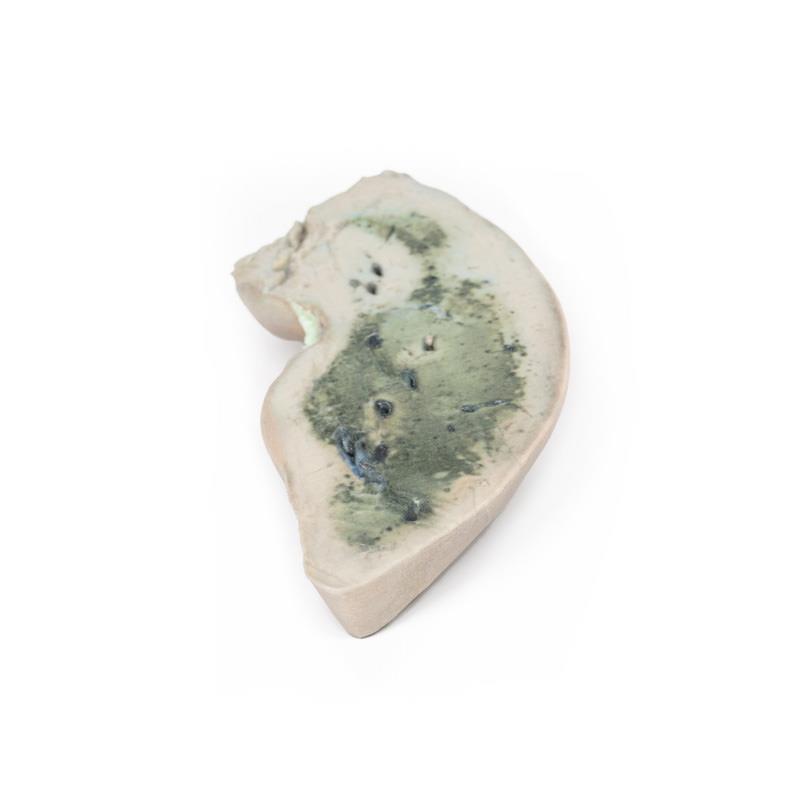
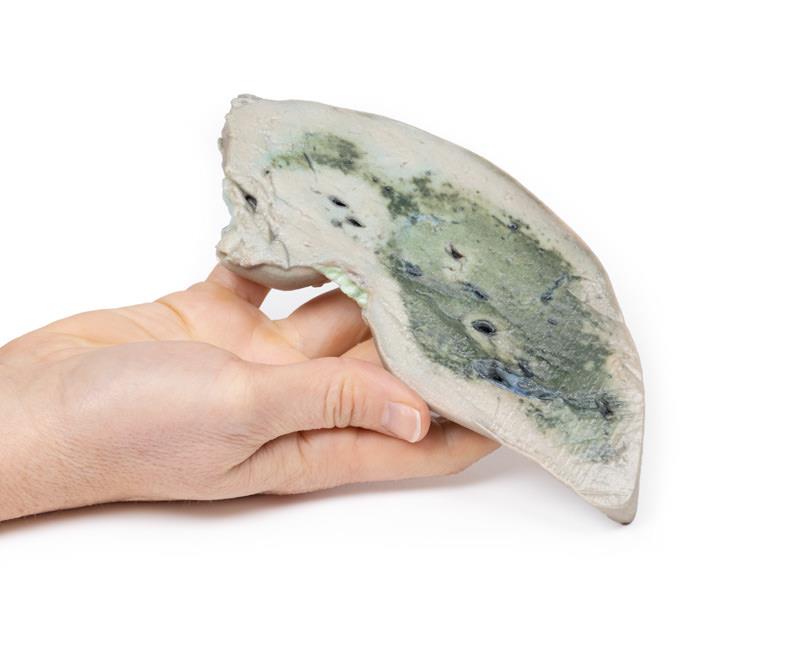
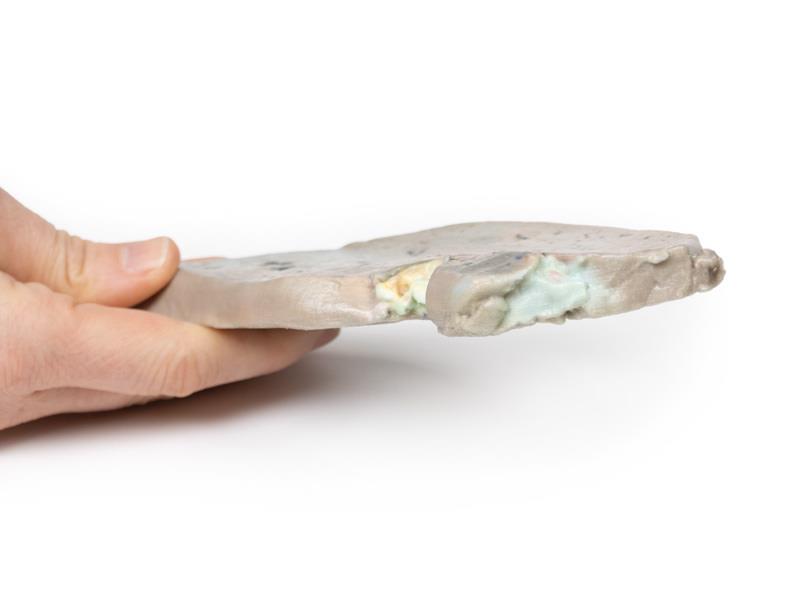
This Fatty Liver 3D printed model showcases the hallmark visual features of fatty change in liver tissue. You will notice one side presents a yellow-grey, greasy texture, while the reverse highlights steatosis confined to the periphery with a darker, possibly cirrhotic, central area. Medical students and healthcare professionals gain valuable insight into pathological changes from obesity, diabetes, alcohol abuse, and more. The Fatty Liver model provides a premium hands-on teaching tool with robust clinical accuracy, supporting clear and engaging instruction in pathology, diagnosis, and disease prevention.
Features and Benefits
- 3D printed, clinical-grade anatomical detail
- Represents classic fatty change with authentic color and texture
- Demonstrates peripheral fatty infiltration and central cirrhosis
- Made for medical and educational use
- Durable and suitable for repeated handling
- Supports interactive teaching and practical demonstration
- Australian-wide delivery and fast dispatch
Indications for Use
- Medical and allied health education
- Pathology training
- Demonstration of hepatic steatosis and cirrhosis
- Visual aid for recognizing steatosis from obesity, diabetes, alcohol abuse, starvation, Kwashiorkor, drugs, or toxins
Size Guide
- Life-size model representing an average adult human liver – Approximate length 15–17 cm, width 20–22 cm, height 5–6 cm
Case Study
Clinical History
No clinical details are available.
Pathology
A slice of liver reveals the characteristic yellow/grey and greasy appearance on one side. On the other side the appearance is restricted to the outer margin whilst the central area displays darker coloration possibly due to cirrhosis. This is an example of fatty change in the liver.
Note
Causes of fatty change (steatosis) or accumulations of triglycerides in the liver include obesity, diabetes, alcohol abuse, starvation, Kwashiorkor, drugs and toxins. Alcoholism is the commonest cause in most communities.