
Features
Enhance Airway Management Training with Realistic Simulation
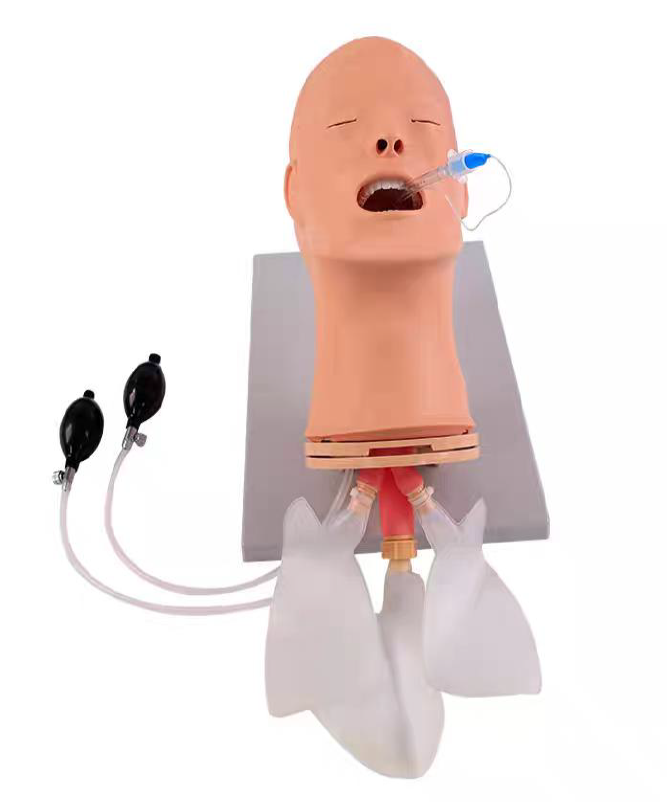
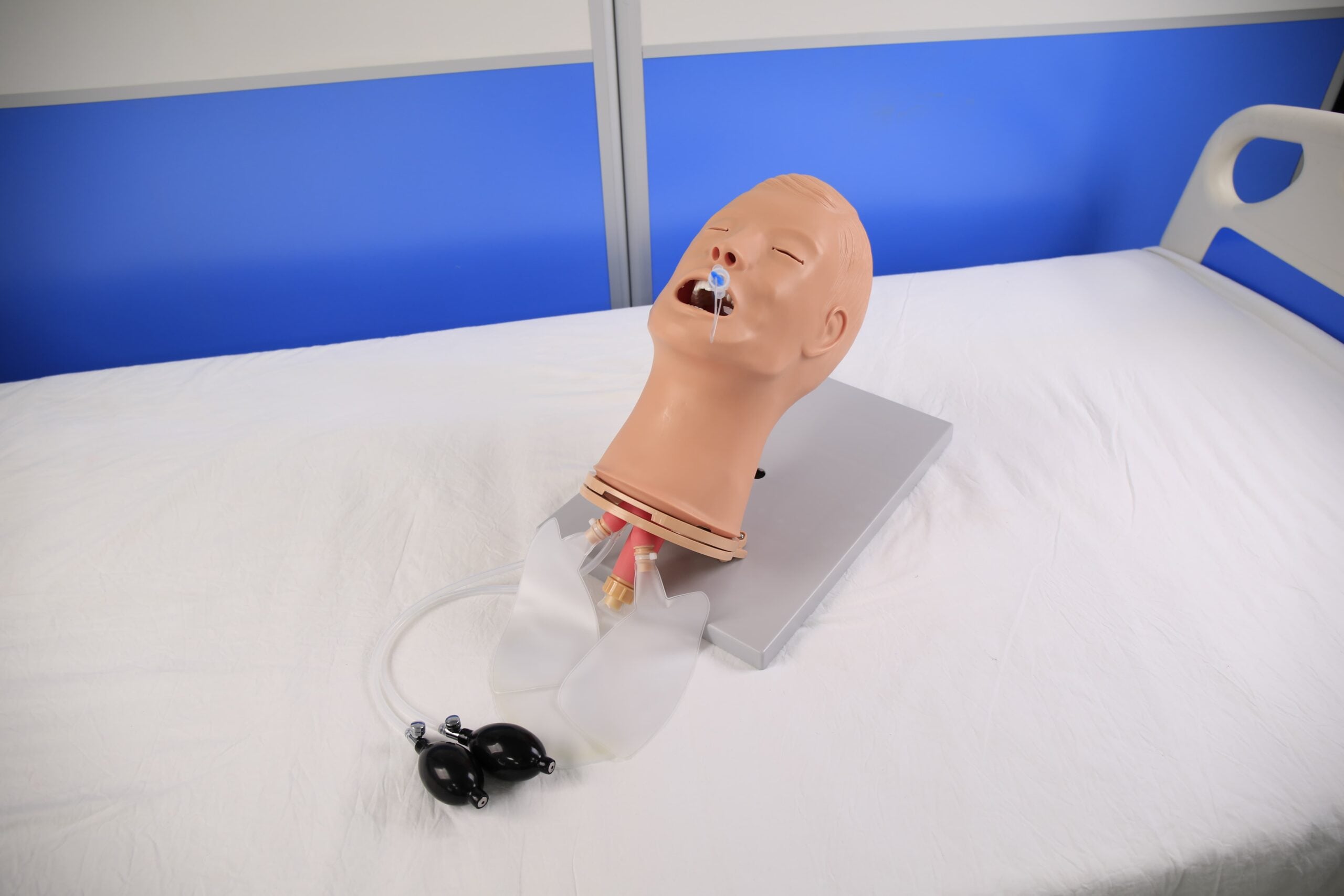
Refine your clinical skills and build confidence with the Adult Intubation Model. This advanced model offers highly realistic human airway anatomy, transforming learning for healthcare students, physiotherapists, and emergency responders. Simulate true-to-life scenarios, from endotracheal intubation to suction, and practice critical techniques safely. The detailed oral structures and palpable landmarks ensure repeatable, hands-on experience. Elevate your skill level with the Adult Intubation Model, designed for accurate procedures, fast feedback, and optimal training outcomes.
Features and Benefits
- Highly realistic adult airway anatomy enhances practical learning and technique accuracy
- Moveable head and cervical spine allows for proper positioning and manipulation
- Visible oral, pharyngeal, and laryngeal structures support accurate endotracheal tube placement
- Durable non-toxic materials ensure extended and repeated use
- Ideal for demonstrations, group teaching, and self-directed practice
- Supports endotracheal intubation, orotracheal intubation, suction training, and laryngeal mask insertion
- Realistic feedback and tactile response build user confidence
Indications for Use
- Designed for teaching intubation and airway management techniques
- Used by hospitals, physiotherapists, medical schools, and emergency responders
- Suitable for skills assessments and certification training
- Beneficial for practicing oral airway and nasotracheal airway placements
Size Guide
- Adult simulation model represents typical adult head, neck, and upper chest proportions
- Approximate model dimensions: Length 64 cm, Width 25 cm, Height 27 cm
- Life-size design replicates human adult airway structures for accurate hands-on practice