
Lymphoedema is a chronic condition that affects millions of people worldwide. It is a result of a compromised lymphatic system and can cause swelling, discomfort, and other complications.
What is the Lymphatic System
The lymphatic system is a vital part of the immune system that helps protect the body against infections and diseases. It consists of a network of lymphatic vessels, lymph nodes, and lymphoid organs, such as the spleen, thymus, and tonsils. It plays a crucial role in maintaining fluid balance in the body by draining excess fluid from the tissues and returning it to the bloodstream. It also helps to filter out harmful substances such as bacteria and viruses, and transports immune cells, such as lymphocytes, throughout the body to fight off infections.
Lymph is a clear, colourless fluid that circulates through the lymphatic vessels and carries a variety of substances including waste products, immune cells, and nutrients. It is formed from the fluid that leaks out of the blood vessels into the surrounding tissues. It is then collected by the lymphatic vessels and transported back to the bloodstream.
The lymphatic system relies on the body’s movements to circulate lymph fluid throughout the body. The lymphatic vessels have one-way valves that help to propel the lymph fluid in the direction of the heart. When the body moves, such as through muscle contractions during exercise or breathing, it creates pressure changes that push the lymph through the vessels. Additionally, the lymphatic vessels have small muscles that can contract and help move the lymph fluid. The contractions of these muscles, along with the body’s movements, work together to keep the lymph fluid flowing properly.
CAUSES
Lymphoedema occurs when the lymphatic system is unable to function properly.
Primary Lymphoedema
This is a rare inherited condition that affects the development of the lymphatic system.
It can develop at any age and can affect any part of the body.
Secondary Lymphoedema
This is a result of damage to the lymphatic system due to surgery, radiation,
infection, trauma, or other medical conditions such as cancer, obesity, or venous insufficiency.
SYMPTOMS
Lymphoedema can cause a wide range of symptoms, including:
- Mild to severe swelling specifically of gravity dependant limbs
- Tightness or heaviness of the affected limbs
- Limited range of motion
- Aching or discomfort in the affected area
- Thickening or hardening of the skin in the affected area
- Recurrent infections in the affected area
TREATMENTS
Although there is no cure for Lymphoedema, there are several treatment options that can help manage the symptoms and improve the quality of life of those affected. These include:
- Compression therapy: This involves wearing compression garments, such as stockings or sleeves, to help reduce swelling and improve circulation.
- Manual lymphatic drainage (MLD): This is a specialized massage technique that can help move lymph fluid from the affected area to healthy lymph nodes.
- Exercise: Physical activity, such as stretching and low-impact exercises, can help improve circulation and reduce swelling.
- Skin care: Proper skin care, such as moisturizing and protecting the affected area from cuts or scrapes, can help prevent infections.
- Surgery: In severe cases, surgery may be an option to remove excess fluid and tissue from the affected area.

The use of compression and compression garments is an integral component of managing lymphodema. This can help in the following ways;
- Reducing Swelling: Compression garments apply pressure to the affected area, which helps to push the fluid out of the tissues and back into the lymphatic vessels. This can help to reduce swelling in the affected area.
- Preventing Fluid Build-up: Wearing compression garments can help prevent fluid from accumulating in the affected area by promoting lymphatic flow. This helps to reduce the risk of further swelling and other complications.
- Promoting Healing: Compression garments can help to improve blood flow and oxygen delivery to the affected area. This can promote healing and reduce the risk of infection and other complications.
- Improving Mobility: Compression garments can help to improve mobility and function in the affected area by reducing swelling and pain. This can help patients to move more easily and engage in daily activities which further helps in draining lymph.
- Maintaining Results: Wearing compression garments regularly can help to maintain the results of other Lymphoedema treatments, such as manual lymphatic drainage and exercise.
There are several types of compression garments that can be used to manage Lymphoedema, including:
Compression stockings
These are tight-fitting stockings that apply pressure and compression to the leg, ankle, and foot, helping to improve blood flow and prevent swelling. They come in a variety of styles and lengths, from knee-high to thigh-high and are available in different compression levels, ranging from mild to extra-firm compression. Some common types of compression socks include:
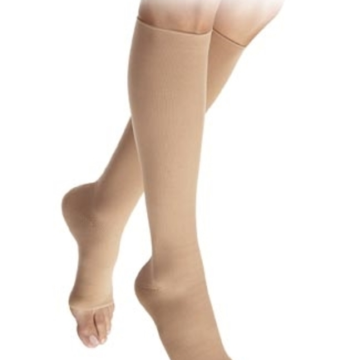
- Knee-high compression socks: These socks cover the foot and calf, extending up to just below the knee. They are a popular choice for people with mild to moderate Lymphoedema in the lower leg.
- Thigh-high compression stockings: These socks extend all the way up to the thigh and are designed to provide compression to the entire leg. They are often recommended for people with more severe Lymphoedema.
- Pantyhose-style compression stockings: These compression stockings cover the entire leg, including the foot, ankle, calf, and thigh. They are a good choice for people with Lymphoedema in both legs.
-

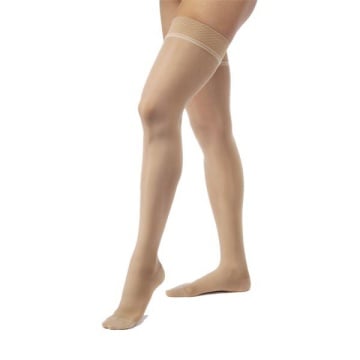
Jobst UltraSheer Thigh High
$89.25 – $131.25Price range: $89.25 through $131.25 ex. GSTSelect Options This product has multiple variants. The options may be chosen on the product page -
Select Options This product has multiple variants. The options may be chosen on the product page
Compression gloves, gauntlets and upper limb garments
These are worn on the hand, wrist and upper limb to help reduce swelling and improve lymphatic flow in the upper limb
- Compression gloves and gauntlets are designed to cover the hands and wrists, providing compression to those specific areas.
They are often recommended for people who have Lymphoedema in the hands or fingers. - Compression sleeves, on the other hand, are designed to cover the entire arm, from the wrist to the shoulder, and can be worn to treat Lymphoedema in the arm.
Compression bandages
These are long strips of material that can be wrapped around the affected limb. They provide graduated compression, meaning that the pressure is highest at the ankle or wrist and decreases as the wrap moves up the limb. Farrow wraps are an excellent and easy way to manage Lymohoedema problems.
It’s important to note that compression garments should be prescribed and fitted with the guidance of a healthcare professional who specialises in lymphoedema management. The garments should be worn regularly and replaced as needed to ensure optimal compression and effectiveness.
Lymphoedema is a chronic condition that requires ongoing management. Although regular care and treatment can alleviate symptoms, there may still be occasional swelling and discomfort. However, individuals with lymphoedema can lead normal lives. It is crucial to receive a timely diagnosis and appropriate management program from a lymphoedema specialist who can recommend the best approach for managing your condition. If your symptoms worsen at any point during treatment, it is essential to contact your treating clinician immediately.