Features
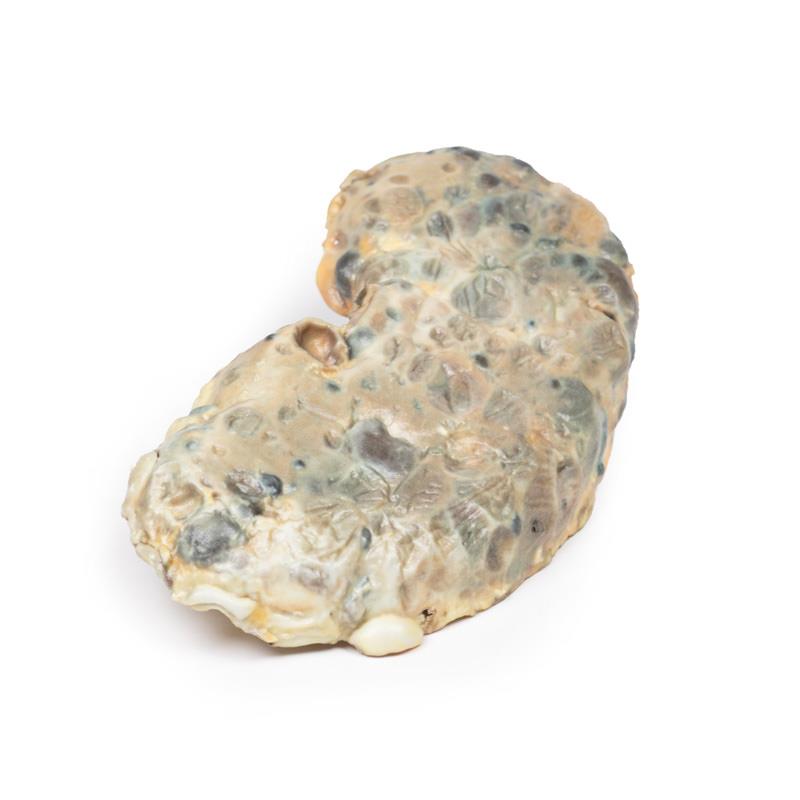
The Adult polycystic kidney disease is a clinical-grade, 3D printed anatomical model designed for medical educators, health professionals, and students. It provides a tactile, visual experience to understand the distinct pathology of APKD, helping users grasp the disease’s manifestation and progression. Choose this model for its realism and teaching value when demonstrating the impact of Adult polycystic kidney disease on renal structure.
Gain Unmatched Teaching Clarity with the Adult polycystic kidney disease 3D Model
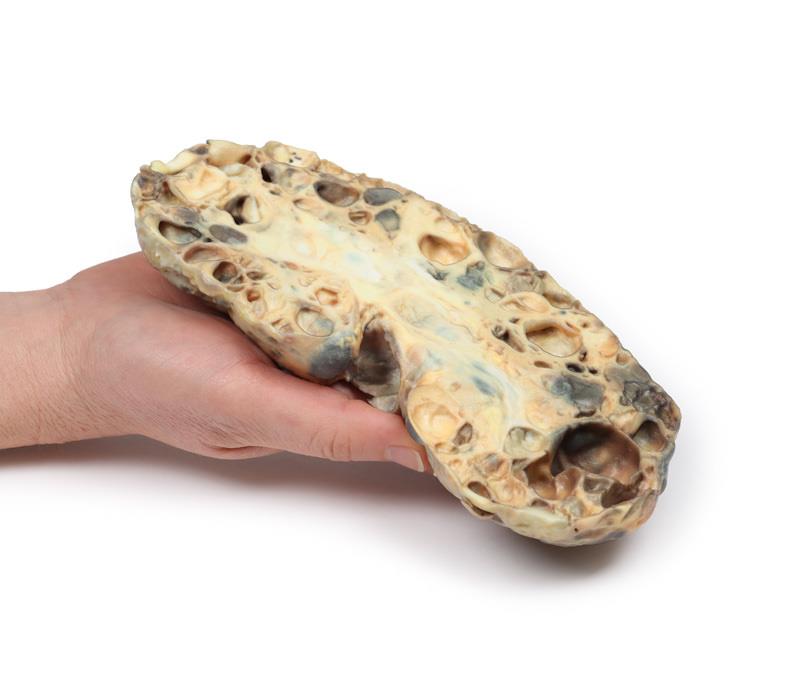
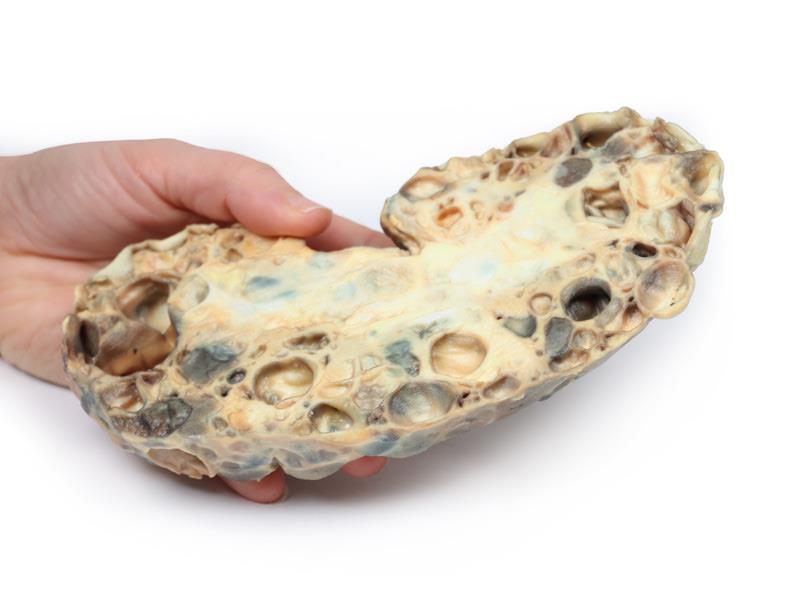
This model offers impressive detail, replicating an enlarged kidney marked by countless cysts up to 3 cm wide. Crafted using advanced 3D printing, it captures the thin, translucent walls, variable cyst coloring, and lobulated external surface found in true specimens. Health professionals, students, and instructors benefit from its accuracy, visual impact, and robust construction, making it an essential educational aid. This unique teaching tool enhances understanding of clinical presentation, complications, and the genetic basis of APKD, enabling you to illustrate complex renal pathology effortlessly in the classroom or clinic.
Features and Benefits
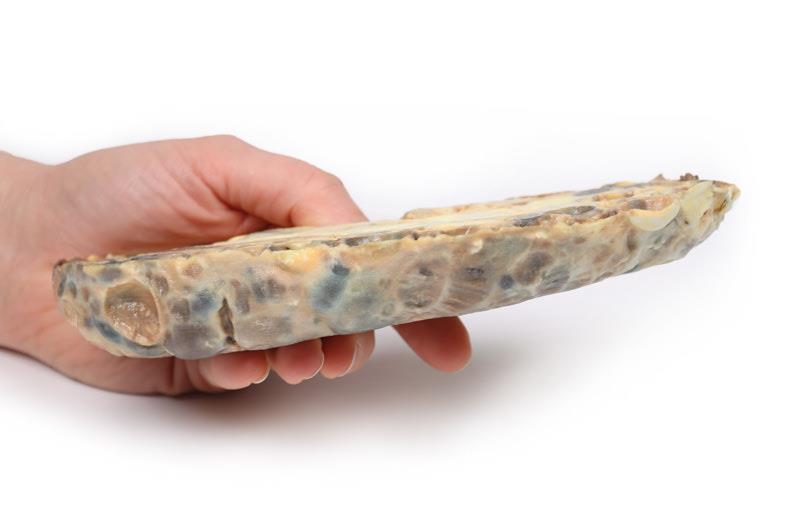
- Life-sized 3D printed kidney model for APKD
- Shows extensive renal parenchymal destruction by numerous cysts
- Cysts vary in size up to 3 cm with marble-like internal appearance
- Prominent lobulated external surface to mimic projecting cysts
- Clinical-grade realism for authentic educational use
- Durable, lightweight material ideal for repeated handling
- Perfect for lectures, workshops, and patient explanations
- Detailed visualization of atrophic renal tissue due to cystic pressure
Indications for Use
- Medical and health science education
- Demonstrating APKD pathology to students
- Professional training for clinical staff
- Patient and family education about APKD
- Visual aid for genetic disorder instruction
Size Guide
- Full-size anatomical kidney model – dimensions based on authentic enlarged APKD specimens
- Cyst diameters up to 3 cm included
Case Study
Clinical History
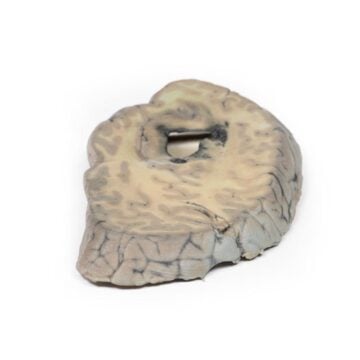
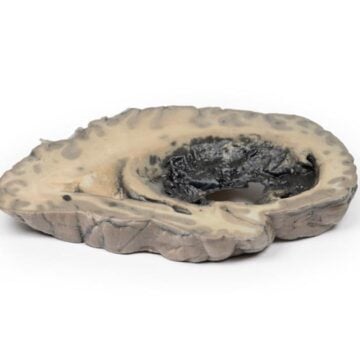
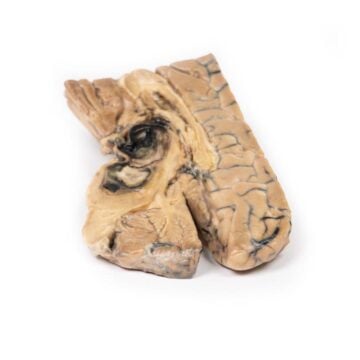
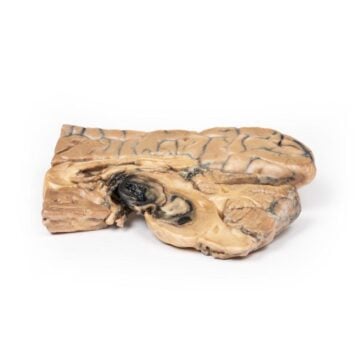
A 40-year old male attends his GP complaining of 2 weeks of hematuria and new onset of headache with blurred vision. His GP notes a blood pressure of 260/110 and refers the patient to hospital. The patient collapses on arrival to hospital. A CT brain shows a large subarachnoid hemorrhage from a ruptured berry aneurysm. The patient dies shortly after admission.
Pathology
The specimen is an enlarged kidney. The renal parenchyma has been almost completely replaced by numerous dilated cysts varying in size, up to 3cm in diameter. The cysts have thin translucent walls, and some cysts contain material of varying colors, giving a marble-like appearance to the cut surface of the kidney. The varying colors are caused by the secretions within the cysts, which may be admixed with hemorrhage. The external surface appears lobulated as a result of multiple projecting cysts. Any remaining renal parenchyma is severely atrophic caused by the pressure of the numerous cysts. This is an example of adult polycystic kidney disease.
Further Information
Adult polycystic kidney disease (APKD) is an autosomal dominant disorder characterized by the presence of multiple cysts within the renal parenchyma. The cysts develop from altered renal tubule epithelium. The cysts expand destroying the glomeruli, causing ischemia, pressure atrophy, and eventually leading to renal failure.
APKD occurs in 1 in 40 to 1000 live births. Mutations in the PKD1 gene on chromosome 16p13.3 and PKD2 gene on chromosome 4q21 have been described as causal mutations. These code for membrane proteins polycystin 1 and 2, respectively. Patients with PKD1 mutation are more common and have a more severe phenotype. End stage renal disease (ESRD) occurs at a mean age of 74.0 in PKD2 versus 54.3 years in PKD1.
Common symptoms of APKD include hematuria from hemorrhage into cysts and pain or a sensation of dragging from the expansion of cysts and kidney enlargement. Many patients remain asymptomatic until features of renal failure occur such as proteinuria, polyuria, hypertension and uremia. Extrarenal manifestations of the disease include intracranial berry aneurysms, hepatic and pancreatic cysts, as well as mitral valve prolapse and other types of cardiac valve disease. Renal ultrasound is the most common investigation used to diagnose APKD. CT- and MRI scans may also be used as diagnostic tools. Patients with a positive family history of APKD can be offered screening renal US scans and genetic testing in some cases. Treatment involves renal replacement therapy for ESRD and renal transplant (if a donor can be found).
Ultimately, over one-third of patients die from renal failure and one-third from coronary or hypertensive heart disease. Approximately 1% of patients die from subarachnoid hemorrhage, because of berry aneurysm rupture (as in this case). Remaining deaths are due to unrelated causes.